
Ultimate Guide to Concrete Repair Products for Every Repair Need
Learn about versatile products designed to handle everything from small cracks to major structural repairs.
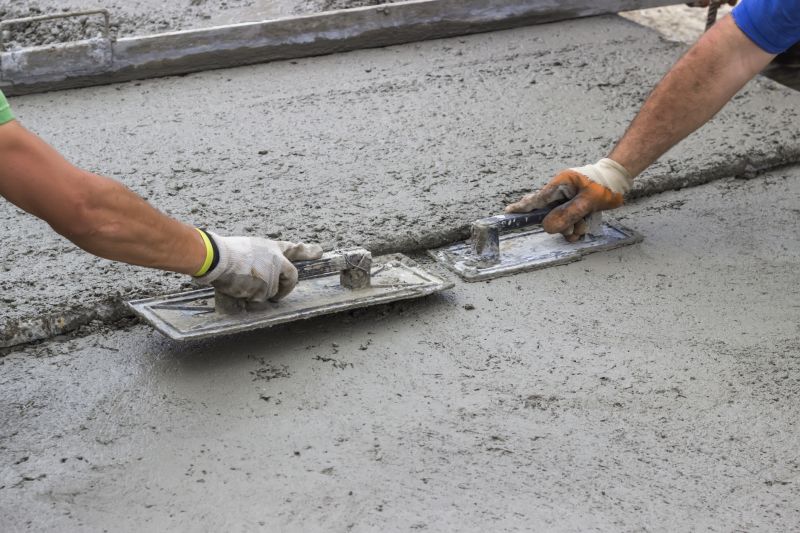 Concrete repairs are a common necessity for maintaining the integrity and appearance of various structures, from driveways and sidewalks to foundations and patios. When addressing concrete damage, selecting the appropriate repair products is essential to ensure durability and a seamless finish. There are numerous solutions available, each suited to different types of damage and repair scenarios. For small cracks and surface imperfections, simple patching compounds or crack fillers may suffice, offering ease of application and quick results. Larger cracks or damaged sections might require more robust materials such as epoxy injections or concrete overlays that can restore structural strength. Proper preparation, including cleaning and sometimes roughening the surface, enhances adhesion and longevity of the repair. It's also vital to consider the environment where the repair is performed, as moisture, temperature, and exposure to elements can influence the effectiveness of certain products. Understanding the variety of options and their specific applications can help homeowners and professionals make informed choices for long-lasting repairs.
Top Overall Option
Polymer Concrete Patch
Polymer-based concrete patches are versatile and user-friendly, suitable for a range of repair needs. They typically offer excellent adhesion, quick curing times, and a smooth finish that blends well with existing concrete surfaces. These patches are often formulated to resist cracking and shrinkage, making them a reliable choice for both minor surface repairs and more substantial fixes. Their ease of use allows for application in various conditions, and they tend to require minimal preparation, making them a popular option for DIY projects and professional repairs alike.
Types of Products For Concrete Repairs
Concrete Crack Fillers
Designed to fill and seal small cracks, these products help prevent water infiltration and further deterioration.
Epoxy Injection Kits
Ideal for structural repairs, epoxy injections restore strength to cracked concrete and are suitable for larger cracks.
Concrete Patching Compounds
Used for repairing surface imperfections, these compounds can fill holes and smooth out damaged areas.
Polyurethane Foam Sealants
Flexible and expanding, these sealants are good for sealing joints and cracks subject to movement.
Concrete Overlays
Thin layers of new concrete applied over existing surfaces to improve appearance and surface durability.
Hydraulic Cement
Fast-setting cement used for sealing leaks and repairing cracks that are exposed to water pressure.
Self-Leveling Underlayments
Smooth and even surface layers used to repair uneven concrete slabs before finishing.
Bonding Agents
Applied to improve adhesion between old and new concrete during repairs.
Concrete Resurfacing Products
These products restore the appearance of worn or spalled concrete surfaces.
Crack Repair Tubes
Pre-mixed, ready-to-use tubes for quick filling of small cracks and joints.
Polymer Modified Cement
Enhanced cement mixes that improve flexibility and adhesion for repair work.
Waterproofing Sealants
Sealants designed to prevent water penetration and protect repaired surfaces.
Fast-Setting Repair Mortars
Quick-curing mortars suitable for larger repairs requiring minimal downtime.
Fiber-Reinforced Repair Products
Products containing fibers to enhance crack resistance and structural integrity.
Concrete Dyes and Stains
Used to improve or change the appearance of repaired concrete surfaces.
Expansion Joint Sealants
Flexible sealants that accommodate movement in concrete joints.
Patch Repair Kits
All-in-one kits containing everything needed for small to medium concrete repairs.
Popular Choices
Widely used for sealing surface cracks to prevent water ingress and debris accumulation.
Popular for restoring structural integrity in cracked concrete slabs and foundations.
Versatile products favored for patching holes and surface imperfections.
Chosen for their flexibility and ability to expand into cracks and joints.
Commonly used to revitalize worn or spalled concrete surfaces for a refreshed look.
Popular for quick repairs involving water leaks or pressure.
Preferred for creating smooth, even surfaces on uneven slabs.
Frequently used to ensure new repair materials adhere properly to existing concrete.
Chosen for protecting concrete surfaces from water damage over time.
Valued for urgent repairs requiring quick setting and curing.
Popular for enhancing the durability of repairs against cracking.
Used for aesthetic enhancements and color matching in repair work.
Commonly selected for joint and gap sealing where movement occurs.
Key Buying Considerations
- Type of damage or crack size to determine appropriate product.
- Compatibility of repair material with existing concrete surface.
- Environmental conditions such as moisture, temperature, and exposure to elements.
- Curing time required for the product to reach optimal strength.
- Ease of application, especially for DIY projects.
- Flexibility of the repair material to accommodate concrete movement.
- Adhesion properties to ensure long-lasting bonds.
- Color matching or finishing options for aesthetic purposes.
- Water resistance and waterproofing capabilities of the product.
- Structural requirements if repairing load-bearing concrete.
- Shelf life and storage conditions of the repair products.
- Cost considerations relative to project scope and durability.
- Availability of repair kits for comprehensive solutions.
- Manufacturer instructions and recommended preparation steps.
- Compatibility with other repair or finishing products.